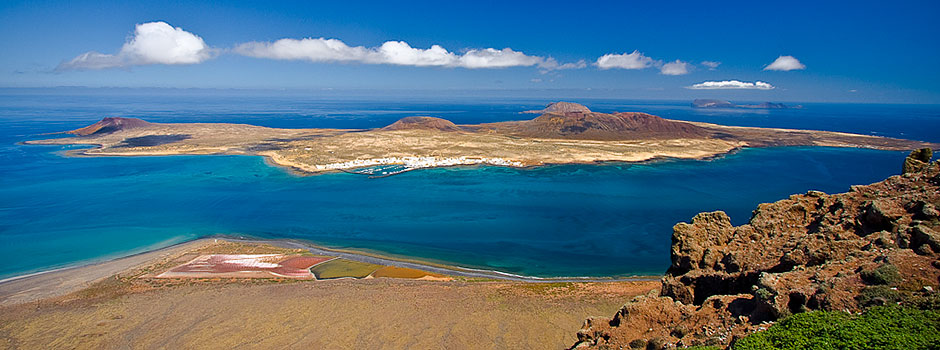
Fernando de Noronha

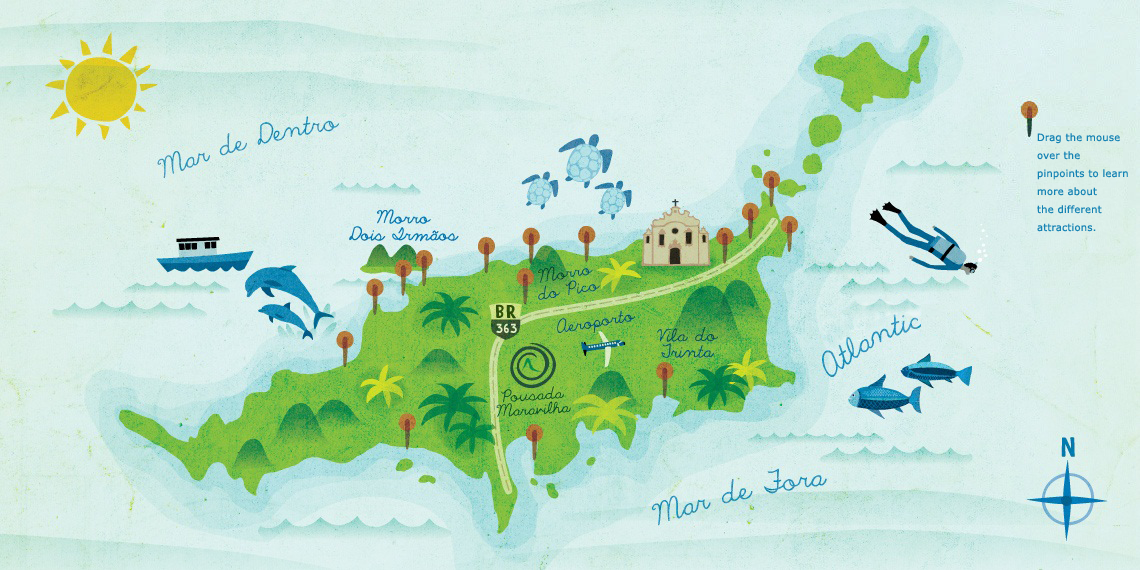
The Fernando de Noronha archipelago is the perfect vacation spot for everyone with its turquoise seas and golden yellow cliffs.  Made up of a main island and twenty satellite islets, it’s located 150 miles from the Brazilian mainland in the southern Atlantic.  Although the main island is small (only 6 miles long and no more than 2 miles wide) it is known for its spectacular beaches.  The waters have no pollution from the Brazilian mainland and is almost completely clear 100 feet into the water.  The most significant landmark is the volcanic plug, Morro do Pico, standing 1,050 feet high.  Only about half of the island is covered in forest because most of it was cleared when the island served as a political prison, to keep prisoners from hiding and creating rafts to escape. Fernando de Noronha

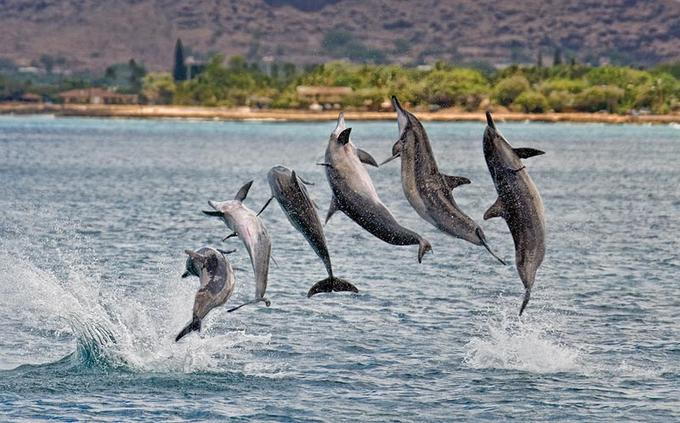
Although the island usually has tourists, only 420 people are allowed on the island at a time.  It can be expensive because everyone who goes to Fernando de Noronha must pay an environmental tax on entry.  Seventy percent of the island is a marine national park so the inhabitants are very serious about the marine life and how to protect it.  In their school they even have marine conservation programs for the students.  One of these is Baia dos Golfinhos, a sanctuary bay for spinner dolphins, where human access is excluded.

Mapspinner-dolphins

-Emily and Mike


Posted in Uncategorized | 2 Comments

Mykines

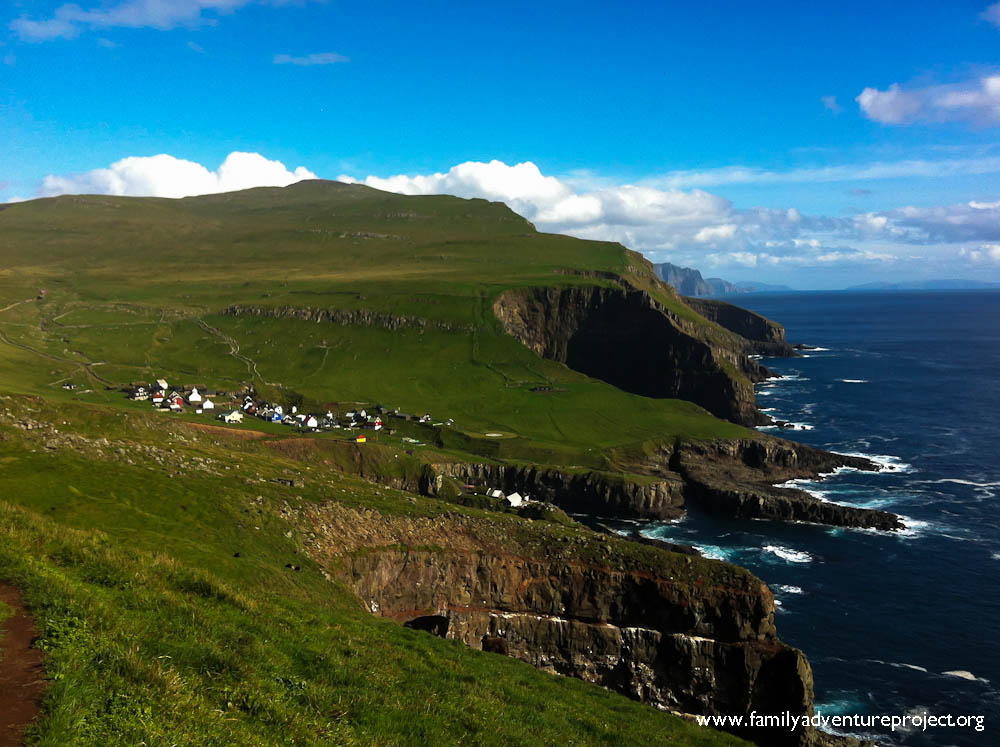
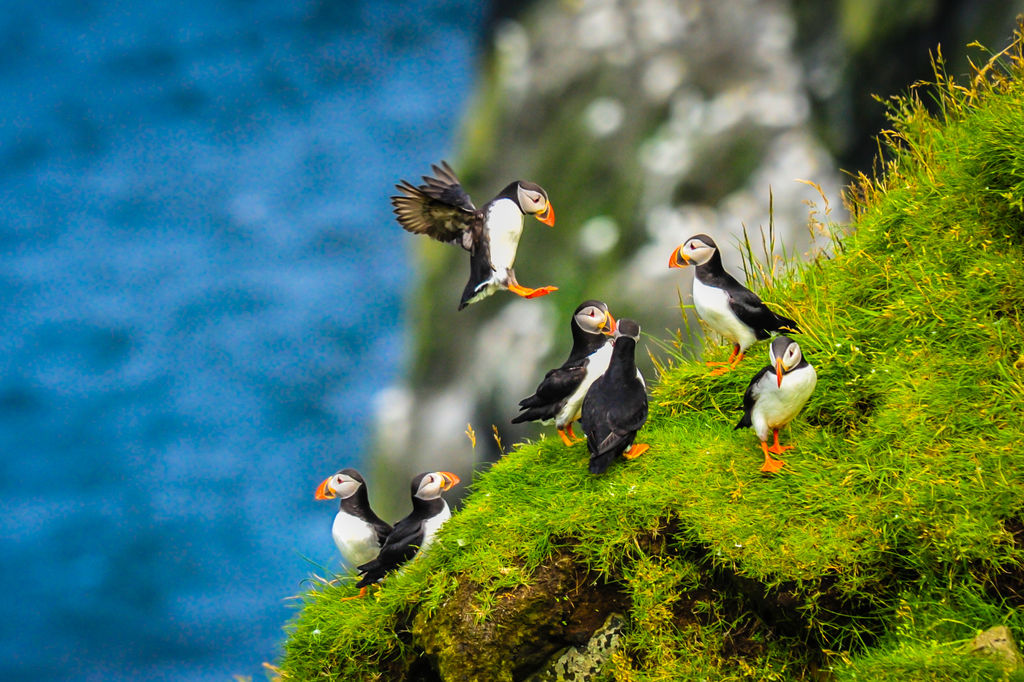
The island of Mykines is a great destination for anyone who wants a fresh Island experience. It is the western most island of the Faroe Island group and has a small population of exactly 11 people in 2004, that exists on it. Although only 11 people live on Mykines there are around 40 houses, 6 of which are occupied year round. It is a very small islands about 5 miles long and .5 miles wide.  The only way to reach the island is by either boat or helicopter.  It is a popular summer destination for people who want to come look at the landscape and the wildlife. Mykines boast a wide variety of both birds and plant life such as Puffins. Since the Island has been inhabited for more than 2000 years there are many stories that have occurred on the island such as the story of an Eagle stealing a women’s baby and she climbed up a mountain to retrieve her child. That mountain is now known as Eagle Rock.

Village of Mykines

Village of Mykines

Puffins

Puffins

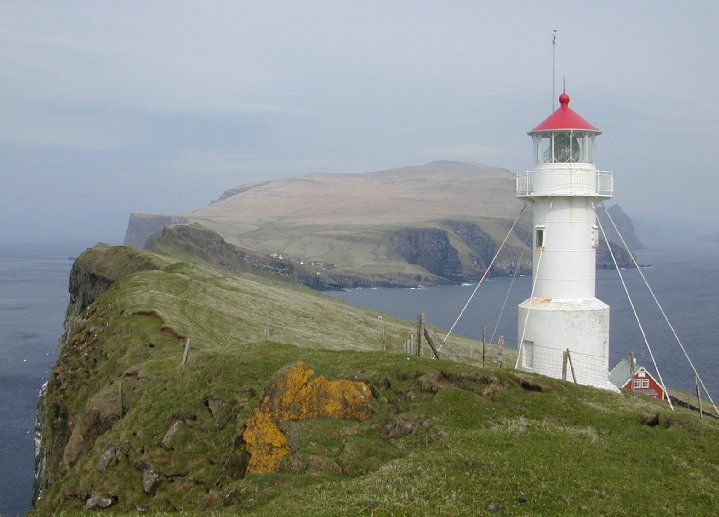
Lighthouse

Lighthouse

Jon and Carlos

Posted in Uncategorized | 2 Comments

A little bit of everything you need to know about Guam

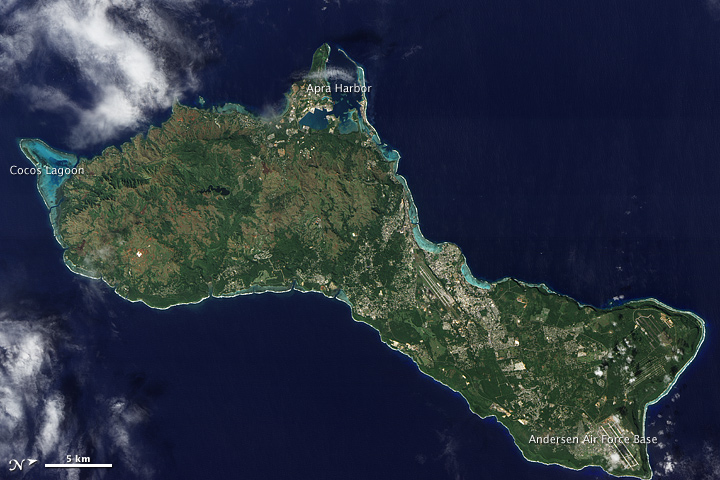
guam-satellite

Guam is an island in the Pacific Ocean near Australia and has an area of about 212 square miles. The highest point in Guam is Mount Lamlam at an elevation of 1,334 feet (407 meters).

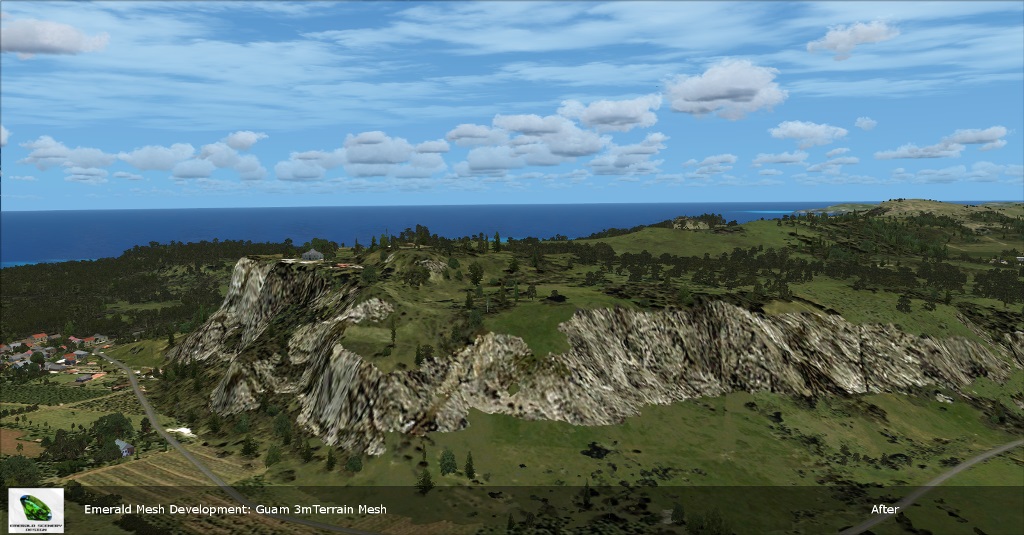
ESD-115hThe terrain of Guam consists of mostly flat coastline with steep coastal cliffs and narrow coastal plains in the northern portion of the island, with low hills in the center and mountains on the southern end.

KittyHawk-2

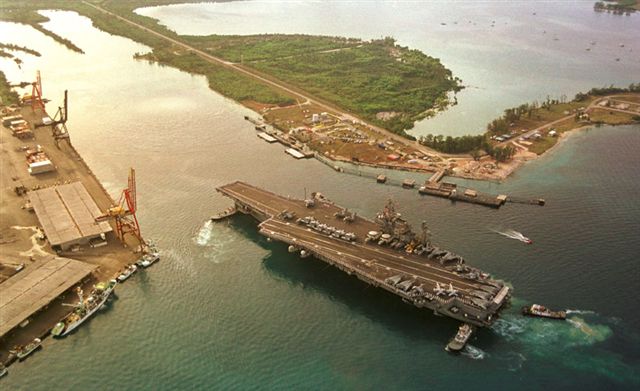
Along with the geographical facts about Guam, Guam has a naval base which covers about 30% of the island.Here is a naval ship entering the Apra Harbor which, at the southern end, houses the U.S. Naval Base in Guam.

Crest_of_Naval_Base_Gua

Guam is also home to the Andersen Air force base which is home to the 39th wing, among other units. Which has been active since February 1st of 1940.

untitled

Interested fact about Guam. The Guam Organic Act of 1950 established Guam as an incorporated territory of the US.

The human activities on Guam created a disaster towards its ecosystem. The limestone and ravine forests of Guam have historically supported fourteen species of terrestrial birds. Two of these fourteen birds are endemic to Guam at the species level. Five bird species are endemic at the sub-species level. One of the endemic species is now extinct. Seven have been extirpated from the island.

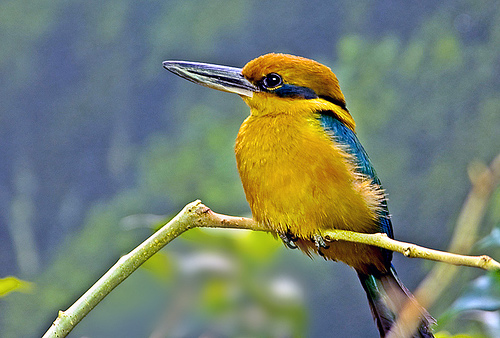
118009503_e3ca163ef7

This is a picture of the famous Micronesian Kingfisher. A very beautiful bird, isn’t it? They scary fact about this specie is that it  remains only as a captive population of fewer than one hundred individuals as of 2006.

The reason for their extinction is the introduction of the brown treesnake. It is native to northern and eastern coastal of Australia. Its intrusion is considered to be deadly to the birds population.

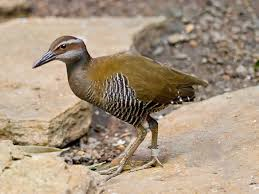
Another bird that became endangered because of the snakes is the popular Guam rail, known as Ko’Ko. It is a flightless bird and can only be found on Guam. This specie had population of as many as 80,000. However, by 1986, only 19 individuals remained.

untitled

Thankfully, the government now has paid much close attention to these birds. Now, the survivors of Ko’Ko and Kingfisher are being  captivity bred in zoos in the hope that they can eventually be released back into the wild.

Despite the ecosystem disasters in Guam, it is still a very popular travel place. People from different countries love to spend their vocations their. Here are a few attractions.

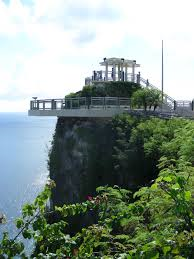
The Two Lovers’ Point.

untitled

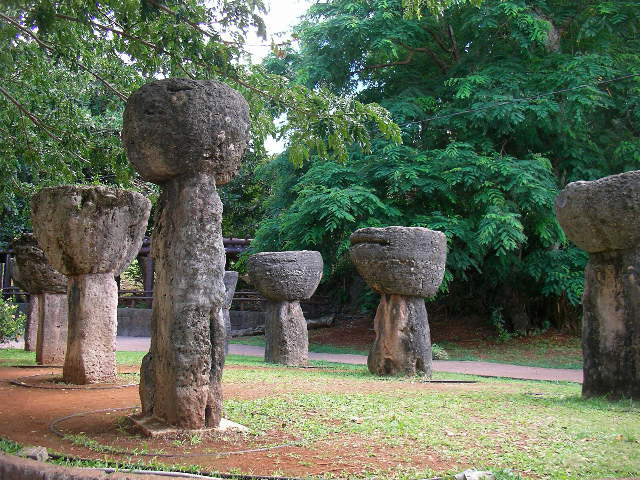
Latte Stone Park

LattePark

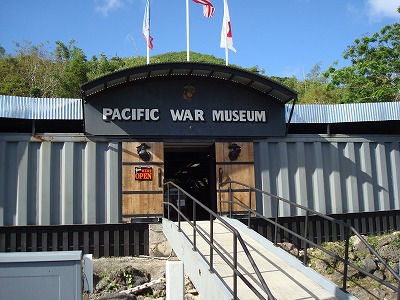
Guam Pacific War Museum

DSC03129

by Peter and Barbara

https://en.wikipedia.org/wiki/Micronesian_kingfisher

Native Forest Birds of Guam

https://en.wikipedia.org/wiki/Guam_rail


Posted in island, tourism, Travel | 1 Comment

Ascension Island

Ascension Island is a remote island only 35.14 square miles in land area. It is in the middle of the Atlantic Ocean about 1,000 miles away from all surrounding continents. It was first seen in 1501 by the Portuguese but it was not recorded as discovered until 1503 when a Portuguese navigator, Afonso de Alburquerque, finally named it when he “refound” it on Ascension Day. In 1815, the British claimed the island and built a fort because the French were using St Helena which is the closest land to Ascension. Then, during World War II, the United States used  it as an airfield and built a 2 mile long runway. Other than that, there are no indigenous peoples and there were never any permanent settlements created.

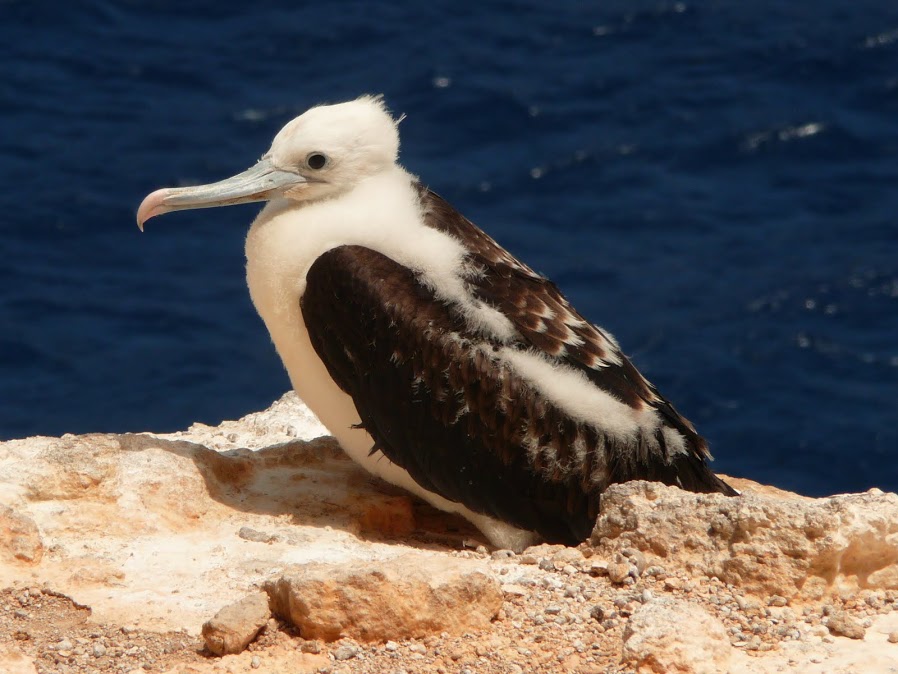
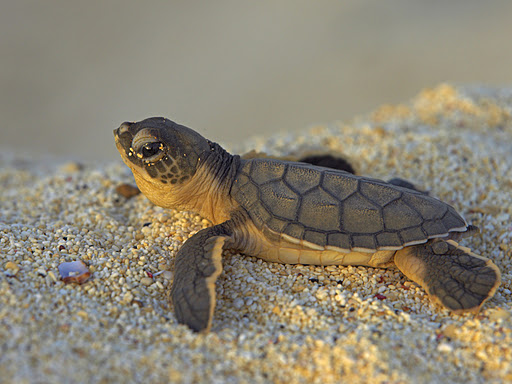
seabird turtle turtle 2acenc=sion

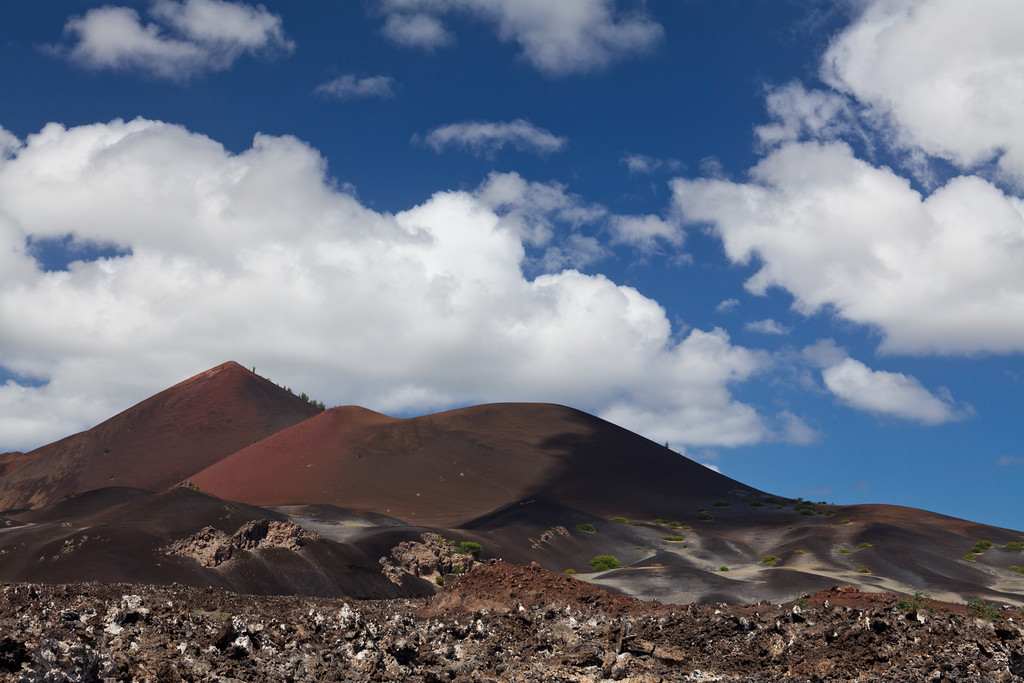
The only wildlife on the island are the seabirds and turtles. There are many colonies of seabirds on the island and it was recorded to have over 20 million pairs! They survive mainly on the fish that swim in the surrounding waters. The island itself has nearly no water sources. Today, people travel there to see it beauty. The beaches are home to the seabirds and the oceans are not safe for swimming due to the abundant presence of turtles in the water. There are few attractions on the island. For fun, most travelers will take walks to see the natural lava caves that were created when the island formed.

Fell free to skip around in the video. 🙂

Rachel & Dean

Posted in Uncategorized | 1 Comment

Jan Mayen Vacation Tips!


You’ll find this wondrous location southeast of Greenland. Unlike Greenland, no one lives there or likes it. Anyone who does stay here is usually forced to out of sheer obligation and nationalism.

It is completely monochrome, which means there are very few pleasing sights to the eye, save for the gargantuan mountain of which can be seen from most any point on the island. The mountain itself, with its snowy peaks, is beautiful; but to climb up it is a daunting and physically demanding challenge.

Fun fact: The Mountain of the Bears is actually not a mountain, and, amusingly enough, has no bears. Why? It’s actually a vicious volcano, and bears don’t prefer lava over most things.

The size of this island, according to my research, is 144 square miles. The mountain adds an extra square mile on top of that due to the volcanic activity of Beerenberg.

Lovegrove describes this island as “Tortured, twisted black lava cliffs.” The glaciers and snowy peaks contrast the piles of ash, which provides for a monochromatic environment shrouded in fog. Except in the Summer, where bright-green mosses are as far as the eye can see. There’s no vegetation other than these mosses, which partially explains why there are few people living there. Few kinds of vegetation can survive the horrific weather conditions. The only other interesting residents of the island are the frost-covered logs from Siberian rivers. They have made a home there, on the anchorages of the island.

There are signs of human activity, such as bleached vertebrae, skulls and other whale bones, as stated by Lovegrove. In 1614, the Dutch settled there primarily to hunt whales, most notably the bowhead. The bowhead i the best whale in the world. Why? They can live up to 150-200 years old. In just 30 years, thousands of these whales and another kind, the northern “right” whale were sieged for their baleen and oil.

Why did they kill whales? The major reason is due to their immense size and blubbery body, they floated on the surface, making them easy to access and transport. If they fell to the bottom of the deep abyss, who would get it?

If we had the opportunity to go, we’d probably pass. We have no use for whales, nor their blubberyness. If we had to go, then we would most definitely stick to staring at the mountain and the beautiful mosses that may be in bloom as of our arriving.

To spend 1,522 on a trip to Jan Mayen would be a waste. There are no tourist attractions, nor anything to do. Only about 20 people currently reside there to operate a LORCAN station.

~by Amanda & Justin

Posted in dangerous, ice, island | 3 Comments

Ireland the Isle of Alcohol.

ireland united


Ireland the land of green fields, music, and of course beer. But do the Irish really drink a lot as some people say or is it just overstated? Also does the influence of alcohol make it easy for teens to get and drink alcohol?


To answer the first question YES the Irish have some of the highest drinking rates of pure alcohol in the entire world according to the OCED, Organization for Economic Cooperation and Development. In fact as of 2011 the first fourteen countries on the list of drinking the most pure alcohol were all in Europe, and Ireland ranked number 4, 11.7 liters per capita,  just under Estonia, 12.3 liters per capita, Austria,12.2 liters per capita, and France, 12 liters per capita, respectfully.


Now, how bad is all that consumption of alcohol, after all there are a lot of European countries that have high drinking amounts of alcohol consumption. What should the average consumption be for a “healthy” amount. According to Alcohol Action a group in Ireland that is trying to make alcohol laws stricter produced a graph showing what should be the average and what is the actual drinking average

Hmmmm, a little over the average isn’t it. Well how old are these people, 30-40, 50-80, nope this graph is based on 18-29 year olds. The numbers have gone down but are thought to increase again over the next few years.

Now 11.7 liters is approximately 3 gallons, so on average the Irish have 3 gallons of pure alcohol every year. But what about beer and wine, do the Irish still have a high rating when it comes to other types of alcohol? A statistic was done by WHO, World Health Organization, and Ireland ranked 10th out of 192 countries tested! So yeah the Irish drink a lot.


irish-yoga-funny-pictures-1


Well if alcohol is so abundant in Ireland it must be easy to get alcohol for minors which as of 2011 it is. Approximately 84% of Irish youth said it was easy to obtain alcohol, not necessarily drank, according to Alcohol Action out of the same group 50% had drank alcohol, 40% said they have had more then five servings of alcohol at a single time, and 23% said they were pissed drunk.


So do the Irish really drink that much? Yep and do they care…..nope.


Posted in island | 6 Comments

The Island of the Dolls

Have you ever wanted to live on an island covered in dolls, of which most are probably haunted with the souls of the now dead? If so, I have a few questions. First off, why? Secondly, why?

Anyway, this island is pretty terrifying. I’m not even there and I have goosebumps. How is this a tourist attraction?

I’m getting sidetracked.

Where do we begin? Well, I suppose it’s best to start at the beginning.

The island is located a little South of Mexico City, between the canals of Xochimico, and it’s quite small. This size, however, only adds to the tragedy of the place.

The entirety of the island is dedicated to a little girl whose soul is thought to reside there. So, while that ghost girl is doing ghost stuff, there’s hundreds of dolls strapped to trees.

Now, I know what you’re thinking. “Hey, that’s pretty terrifying.” You’re right, but it gets worse.

Most of these dolls are missing limbs, most notably their heads. Again, I know what you’re thinking. “I don’t think I’ll be able to sleep at night. Thanks.” I’m sorry, but if it makes you feel any better, I probably won’t be sleeping much after reading about this island.

In the day, the island looks pretty silly. It’s like a 5th grade teacher designed the school gymnasium for Halloween; but at night, O God, it is not okay. It’s not funny anymore.

Apparently the soul of the girl is in each of the dolls. She died because she drowned, but the circumstances of her drowning are oddly mysterious.

There’s legends of this island that speak of the heads of the dolls moving during the night, especially if no one is watching them.

People have also said they’ve heard the dolls whispering each other. What kind of profound discussions they could be having is beyond me, but if you’ve ever talked to yourself in the shower, you can probably imagine how personal they probably are.

There was a caretaker on the island. It’s said that he failed the save the girl’s life, and felt much guilt and anguish over it. Soon after, he found a doll floating in the water. It’s believed the doll belonged to the girl, but it could just be coincidental.

He took the doll and hung it from a tree, in honor of the girl. This guy did a nice thing, right? Apparently, the girl started taking advantage of this guy. She made him put more dolls up in order to please her. How more dolls would do anything to please a spirit is beyond me, but there must be some rhyme or reason.

The caretaker personally believed the dolls soon became possessed by spirits of other girls, despite not dying on the island of which the dolls are located. People who were close to him said that around this time, the caretaker changed. It was like something was controlling him, forcing him to put up these dolls.

In the end, he died in the exact same spot the original girl did, by drowning.

If that’s not nightmare fuel, I don’t know what is. Just imagine this place at night. For real.

This one is more funny than scary. It looks like the Nevermind album cover.

This does not look like a doll . . .

My dear God.

The caretaker, Julian Barrera.
Posted in Uncategorized | 5 Comments

The Island of Mauritius

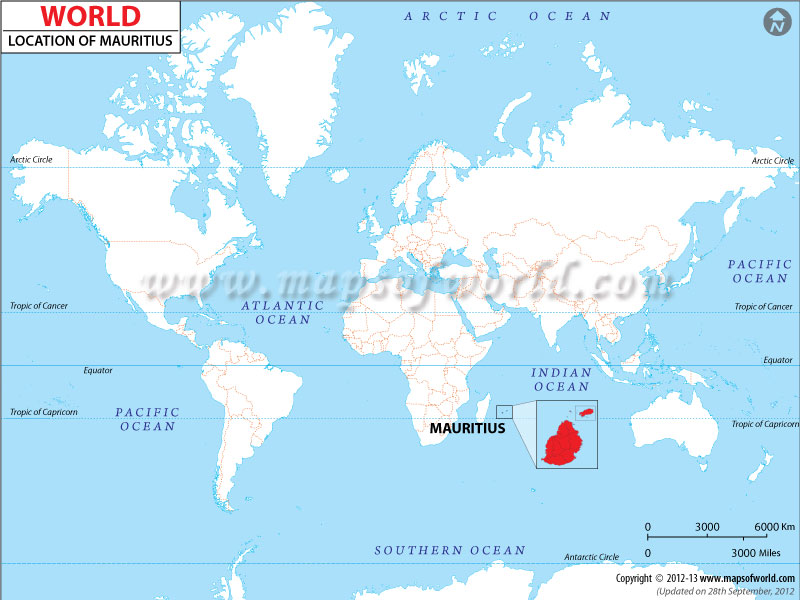
(Pronounced as mawr-RIH-Shuhs) Mauritius is located in the Indian Ocean, east of Madagascar. Although it does not have its own chapter, Mauritius is still mentioned in the book we are currently reading in class. You can find more information in the chapter entitled Ile Aux Aigrettes.

The island was discovered by Arab sailors during the 9th century. However, the island was uninhabited and covered in dense forests so they promptly left. Around the beginning of the 16th century, the Portuguese re-discovered the island, but they too deserted it. It wasn’t until the latter half of the 16th century that the Dutch finally colonized the island. The island was named after Mauritz de Nassau, the Prince of Holland.

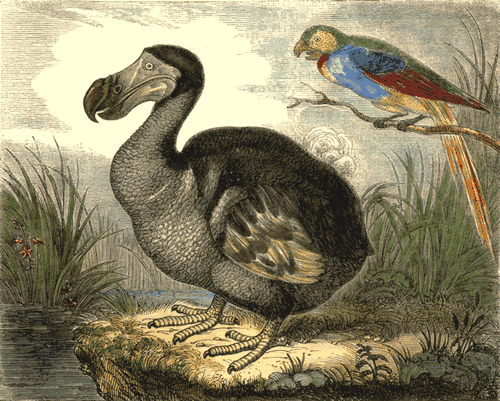
Within 20 years, the island was stripped of all its natural resources and was left in ruins after the Dutch abandoned it. The famous Dodo bird was now extinct due to over excessive hunting. The indigenous bird was flightless and fairly easy to capture compared to the rest of the animals, because they were unfamiliar with the dangers of humans. Deforestation also contributed to its demise. Their habitats were traded in for human ones. The black ebony tree species was nearly desecrated to extinction along with the birds. Thanks to the Dodo, humans realised that their impact could result in the annihilation of a species. The last few remaining skeletons now reside in museums. Their legacy now helps other endangered species from following in the Dodo’s footsteps.

Next was the French’s turn for bragging rights to the Island. They established the capital which is presently called Port Louis. The Island’s economy prospered thanks to their governor, Mahe’ de Labourdonnais. A statue was created in his honor which is still standing to this day. But the flower and fauna of the land continued to perish.

After about a century of the French being there the British assumed it was their turn for dominance over the island. The famous Battle of Grand Port was fought until the British were defeated, but only by a hair. A few months later they came back to defeat the French and proved victorious.

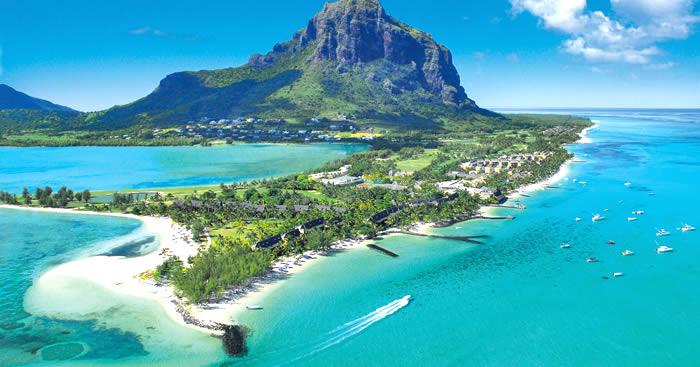
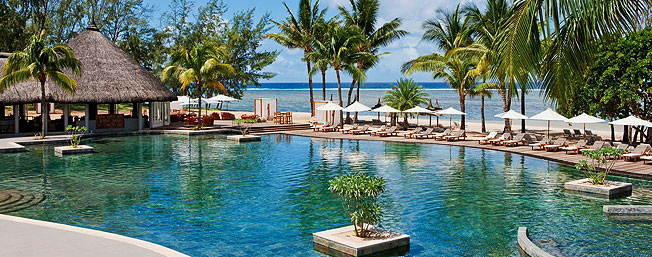
The beauteous, aquamarine waters are now a hot spot for vacationers. The majority of the perimeter is completely covered in hotels, resorts and tourist attractions. They mainly speak Creole, French and English.

10 Must-See Places in Mauritius

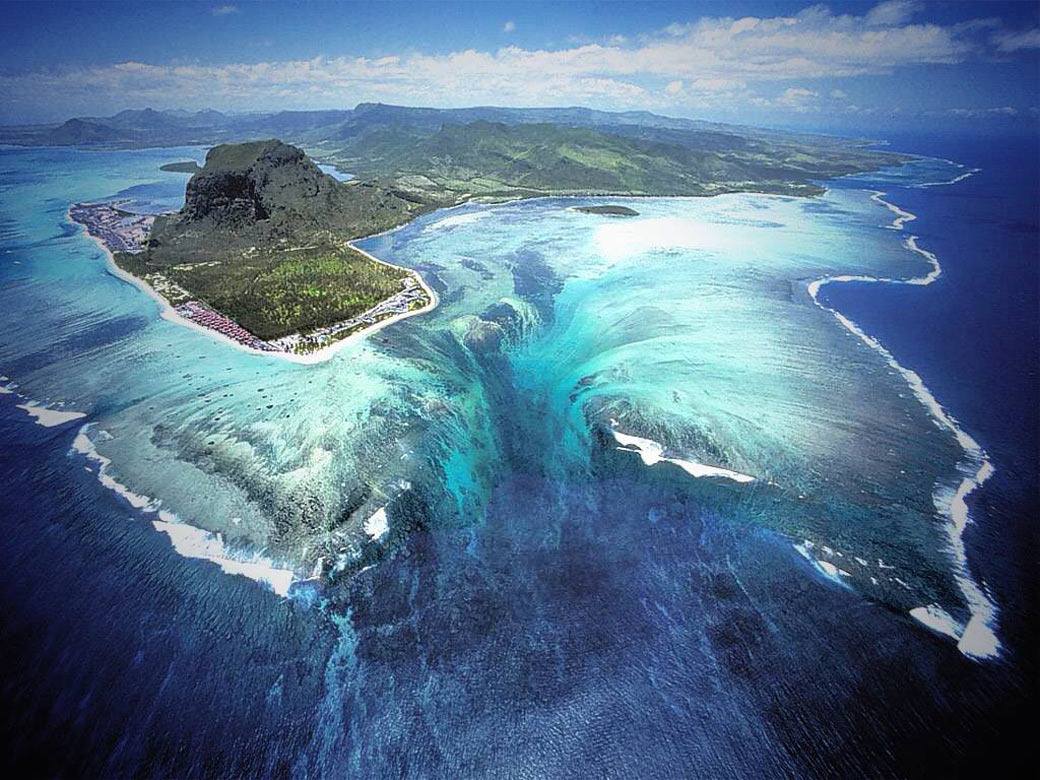
Here is a link of the top must-see places in Mauritius. (Not including the underwater waterfall featured below.)

Underwater Waterfall

Posted in island, Travel, Tropics | Tagged , , , | 3 Comments

Chinijo Archipelago: a tourism dilemma

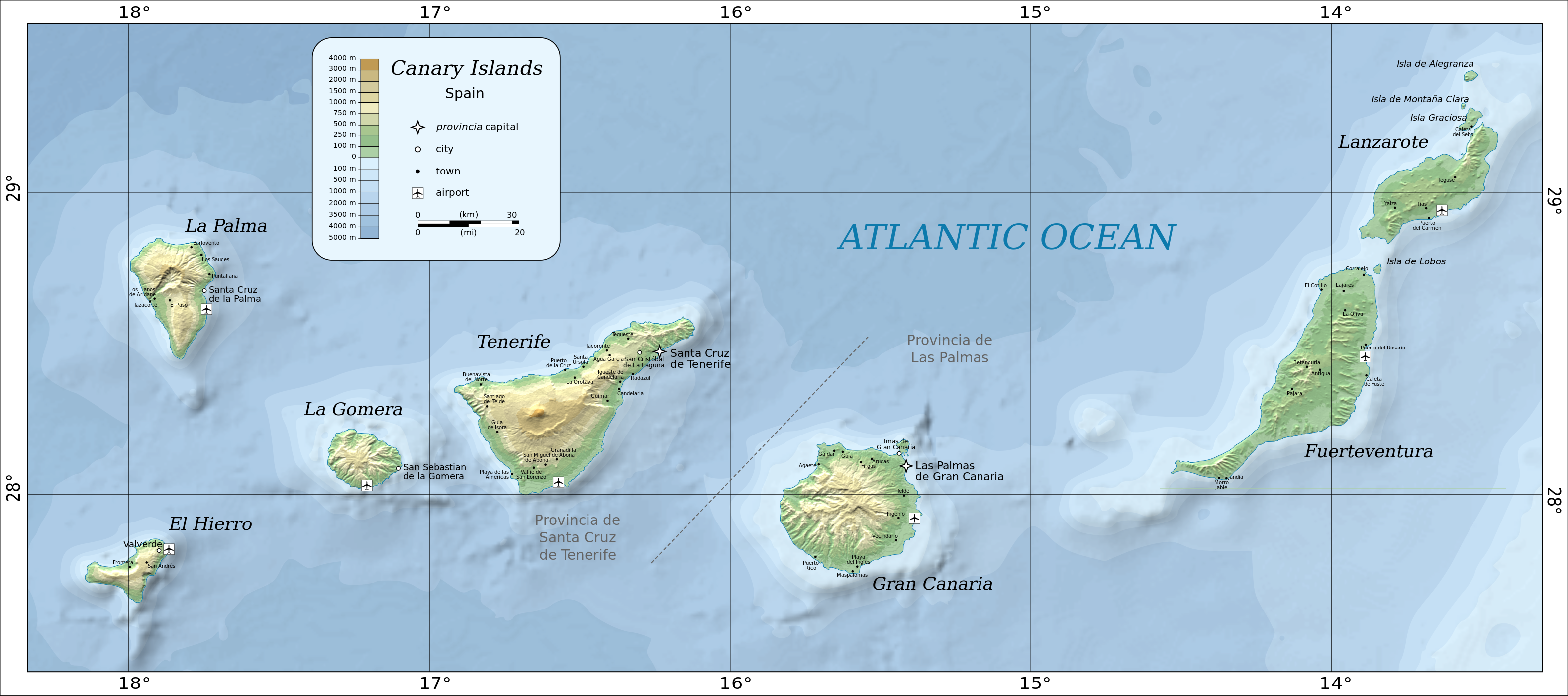
chinijo-canary-map2Our text introduces us to these off islands which are part of the chain of Canary Islands.  The main islands of Tenerife and Grand Canary are popular tourist destinations for Europeans, although not for Americans given their distance from our shores.  But the far flung Chinijo Archipelago attract less interest and indeed are now preserved parklands.

Still, we can see the interest in visiting these quiet nature spots growing.

This leads me to think about tourism.  As a tourist I love visiting new places, exploring, shopping, taking tons of pictures, and enjoying local food and life.  But as a resident of the East End of Long Island, I see tourism quite differently.  I grew up in Amagansett, a small town between the rich East Hampton and the fisherfolk Montauk.  It was a real town, with useful stores, quiet streets, a bit more life in the summer months, but generally our town had an air of being, well–our town.  Now it has morphed into a summer frat party with noise, expensive and useless boutiques, and crowds by the hundreds. Residents feel the onslaught of the party crowd. My family house was bulldozed to make room for a McMansion, squeezed onto its tiny place on Miankoma Lane.  We feel besieged by these tourist crowds.

Alas, the same might be said for the North Fork as both summer crowds and fall traffic builds up, bumper to bumper, for the dreaded “Pumpkin picking season.”  Now, I am not against fun and I understand people wanted to enjoy the beauty of the South and North Forks, but when has tourism gone too far?

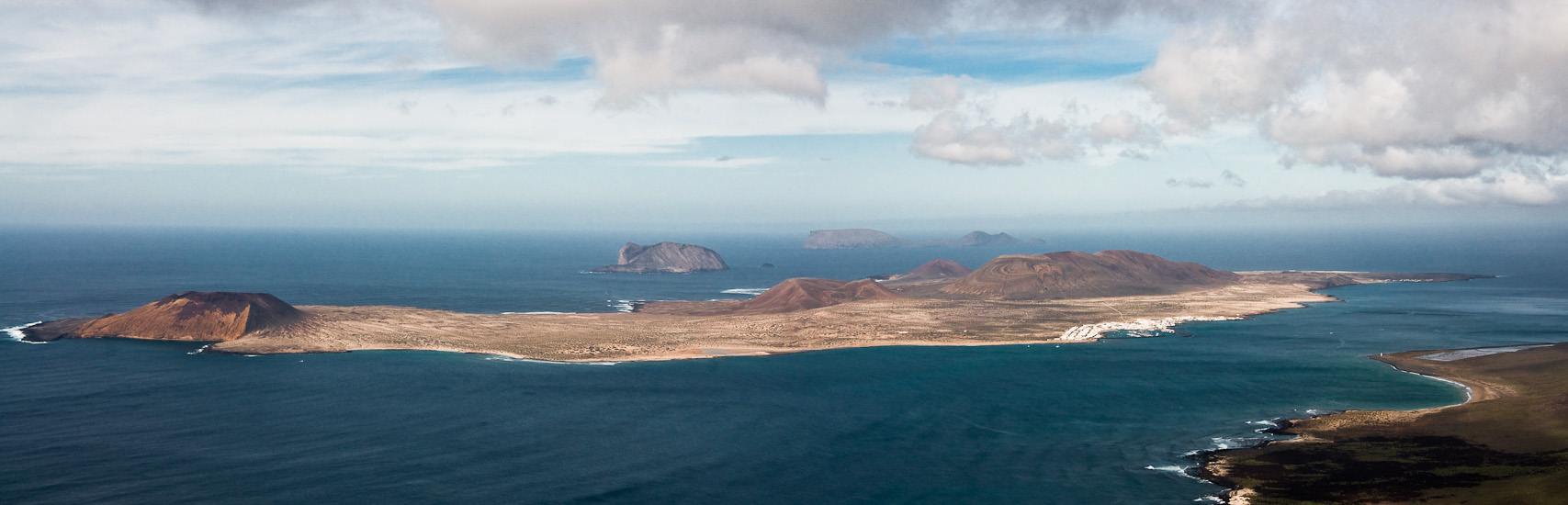
Graciosa Island

Graciosa Island

I can understand the dilemma faced by nature and by the people who have lived in communities when outsiders overwhelm locals and begin to change the character of a community from being a community to being a tourist destination.  True, tourism brings money and many of my neighbors survive on summer trade as I am sure residents of the Chinijo islands do.

Graciosa

Graciosa

Where can we find balance?  When does tourism help and when does it hurt?  What does it mean to be a “good tourist” or is that not possible?  How can those who live in a community welcome outsiders but retain their sense of community and preserve their place?

Posted in island, tourism, Travel | Tagged , | 1 Comment

Fernando de Naronha

What do spinner dolphins look like?

And yet another spectacular recording:


Posted in Uncategorized | 8 Comments